With:
African gods and white saints, Xangô and Saint Jerome, lansâ and Saint Barbara, Oxalá and Nosso Senhor do Bonfim, lemanjá and the Holy Virgin Mary, processions and drums, rituals and ex-votos – all these mix and mingle in the Candomblé, the synchretist religion of Bahia which is much more than a religious cult. It is a vital consciousness and the chance to master everyday life in a multi-ethnic culture.
While in Germany the debate focusing on the development of a multi-cultural society is comparatively new, in the Carribbean region and on the east coast of Brazil, in particular in Salvador de Bahia, ‘new’, synchretist religions, ceremonies, festivities and artistic expressions have formed long ago and have survived to this day, giving Afro-Latin-American culture its identity across national borders and continents.
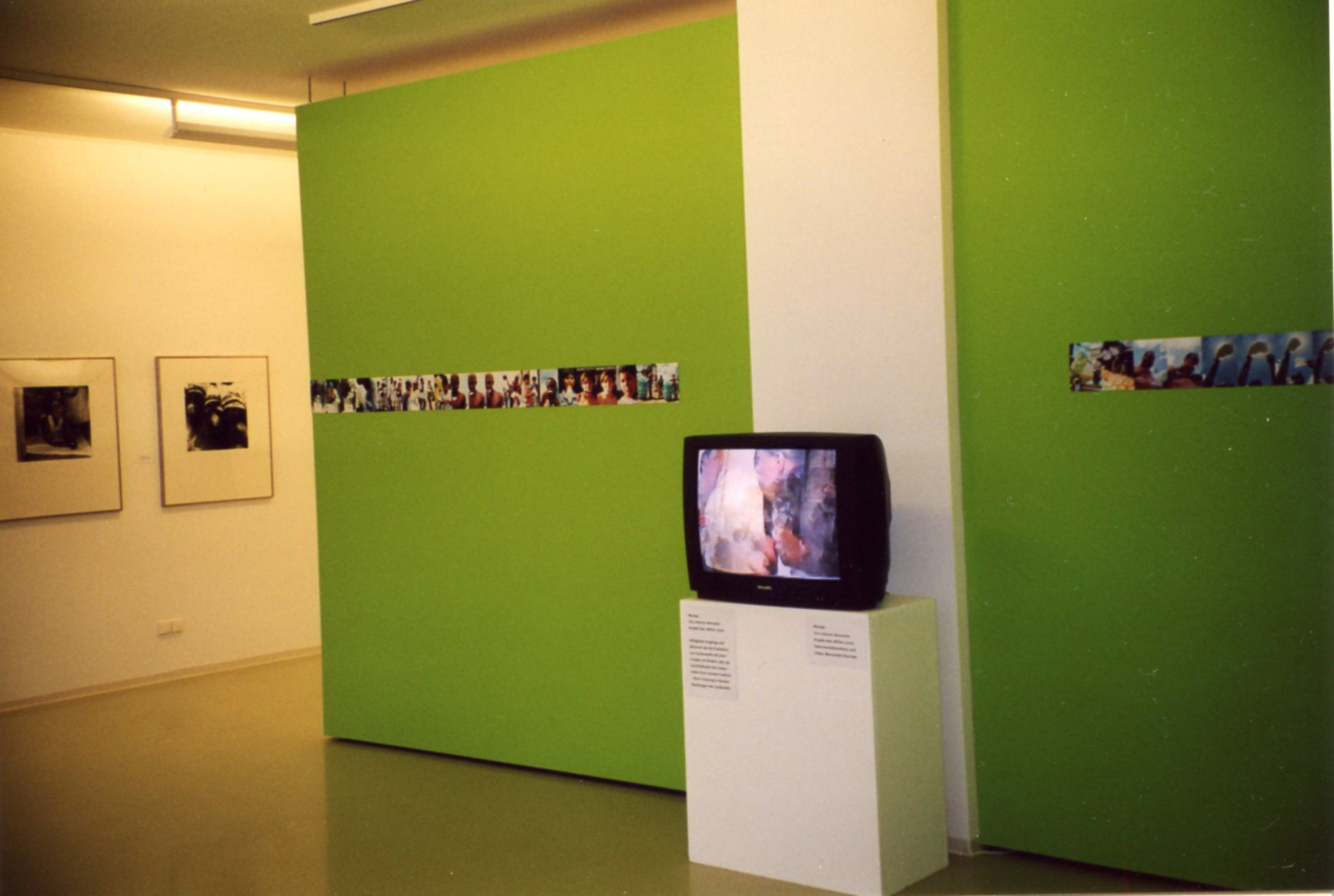
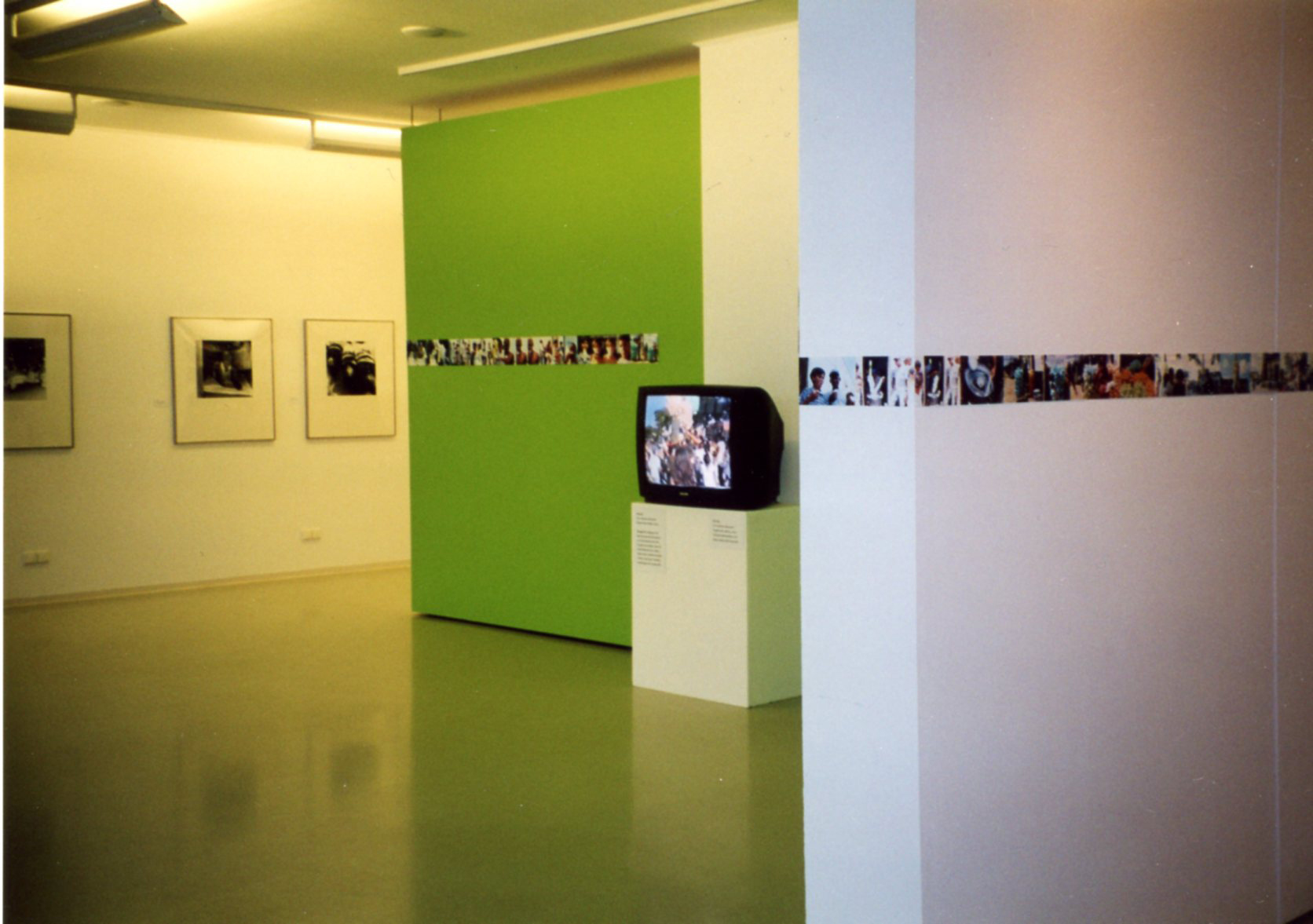
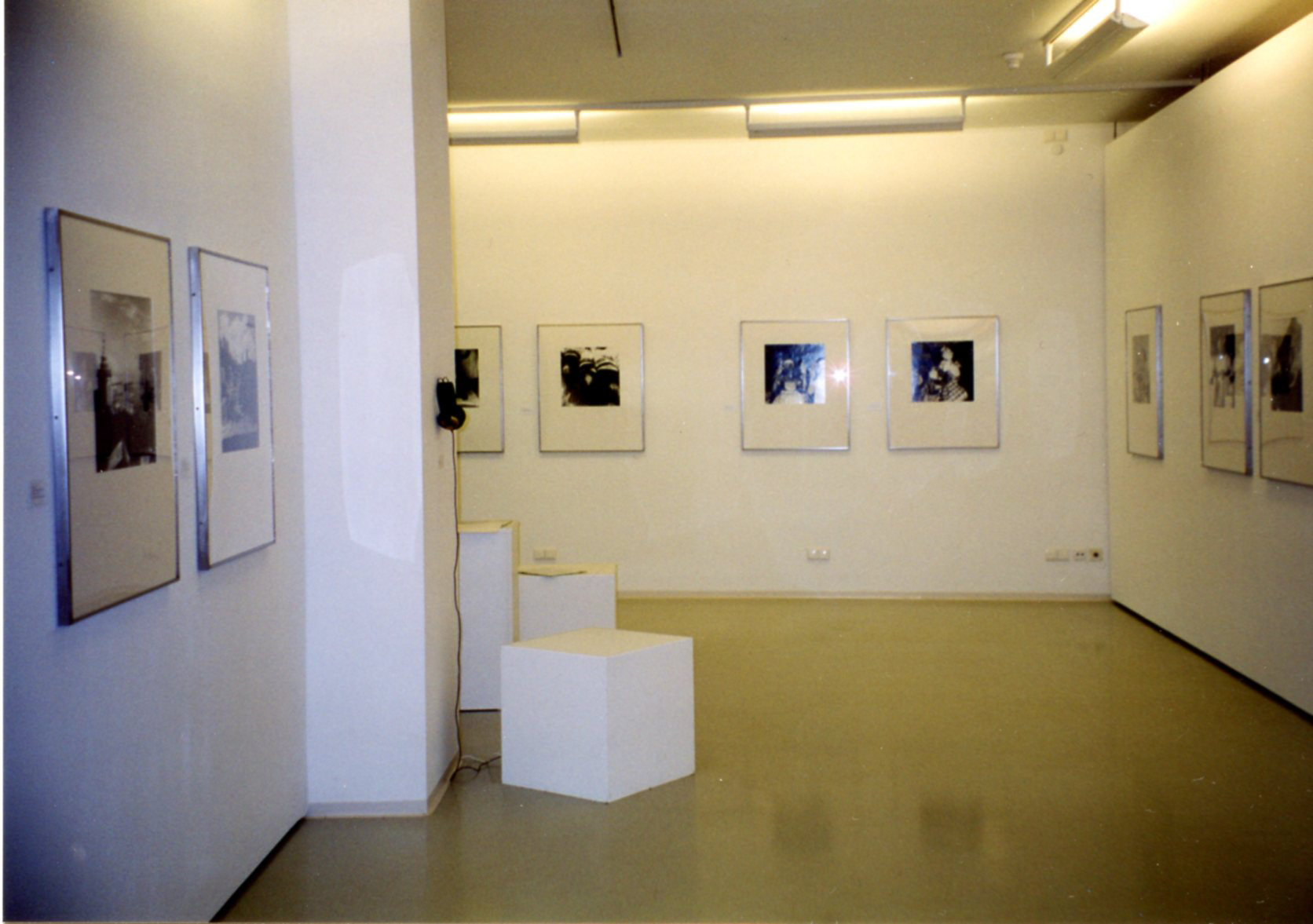
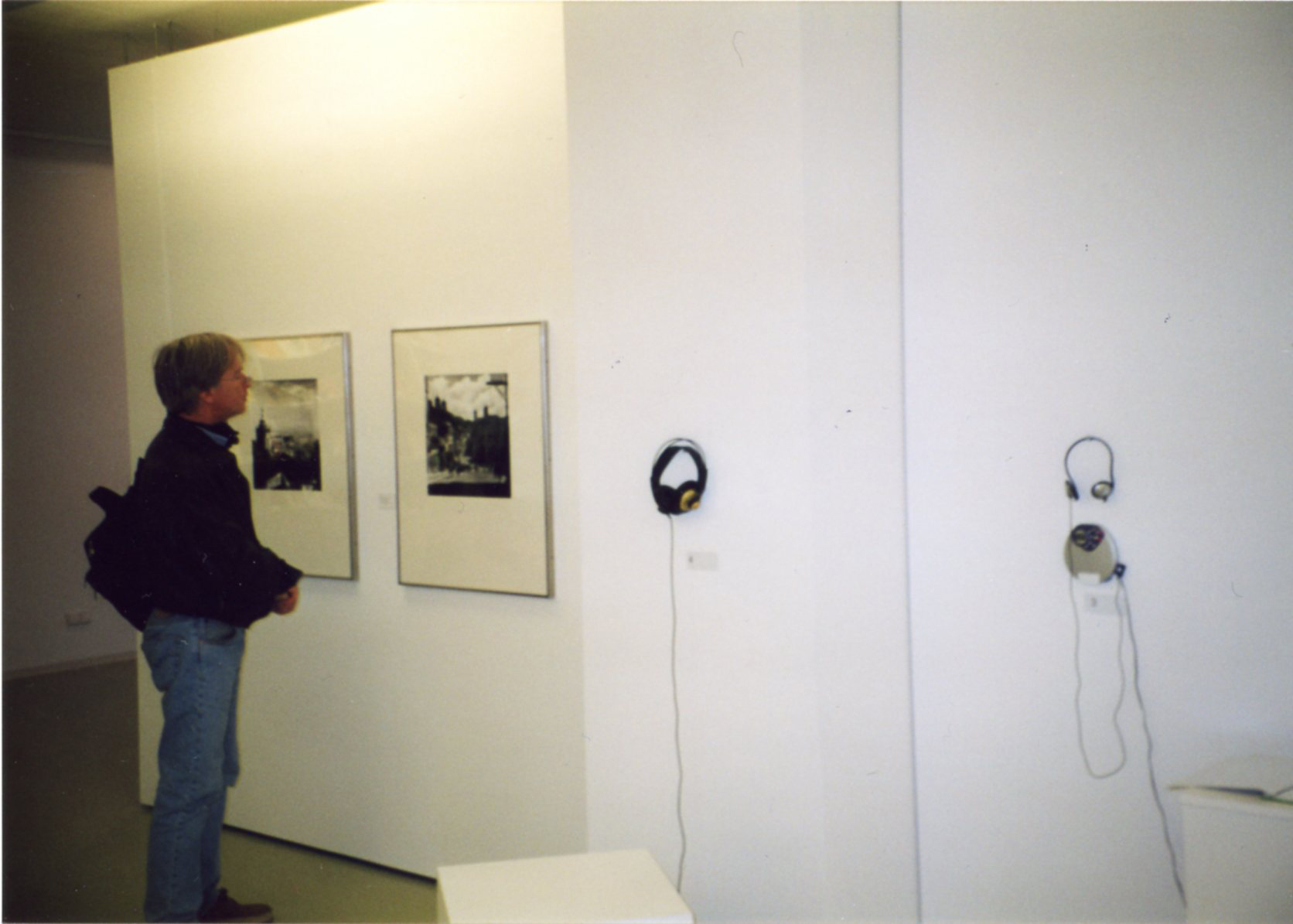
This exhibition presents four artistic positions expressed in the spirit of Candomblé of Salvador de Bahia: black and white photographs by Pierre Verger of African and Bahian scenes, a photo projection by Mario Cravo Netos, an installation by Eriel Araújo and the photo documentation of a project Marepe carried out with street kids. These pictures give an idea of axe, the power of the Candomblé, an inkling of the vital consciousness of the people of Bahia de Todos os Santos.
Pierre Verger (1932 in Paris – 1996 in Salvador), traveler, photographer, and anthropologist, represented a documentary-scientific approach: his black-and-white photographs and his writings—as well as his life and life’s work—were dedicated to the relationships between African and Brazilian culture. In the striking photographs provided by the Fundação Pierre Verger in Salvador, one finds both direct comparisons between Africa and Bahia, and the documentation of significant moments of Candomblé.
Mario Cravo Neto (1947, Salvador de Bahia), whose photographs are included in numerous collections such as that of the Museum of Modern Art in New York and have been exhibited in many internationally renowned institutions, presents “Laróyè”, a slide and sound installation dedicated to Exu, the messenger of the gods. Mario Cravo Neto follows Exu’s traces through Bahia: laughter, music, drums, dance, offerings—roses, fruits, chickens—, the streets and squares, the people and life in Salvador de Bahia.
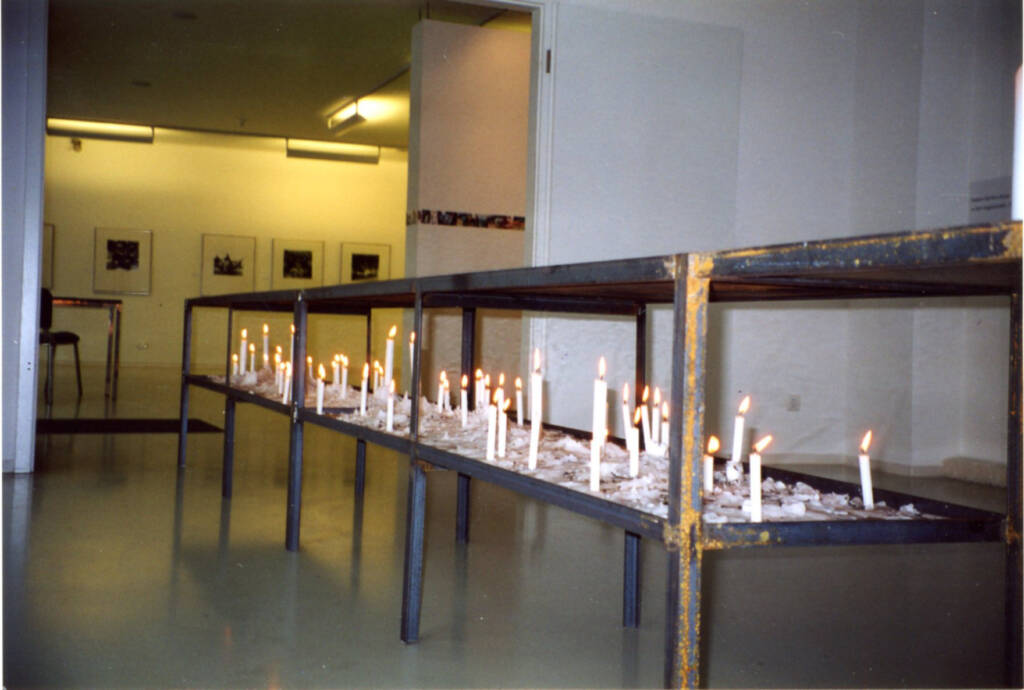
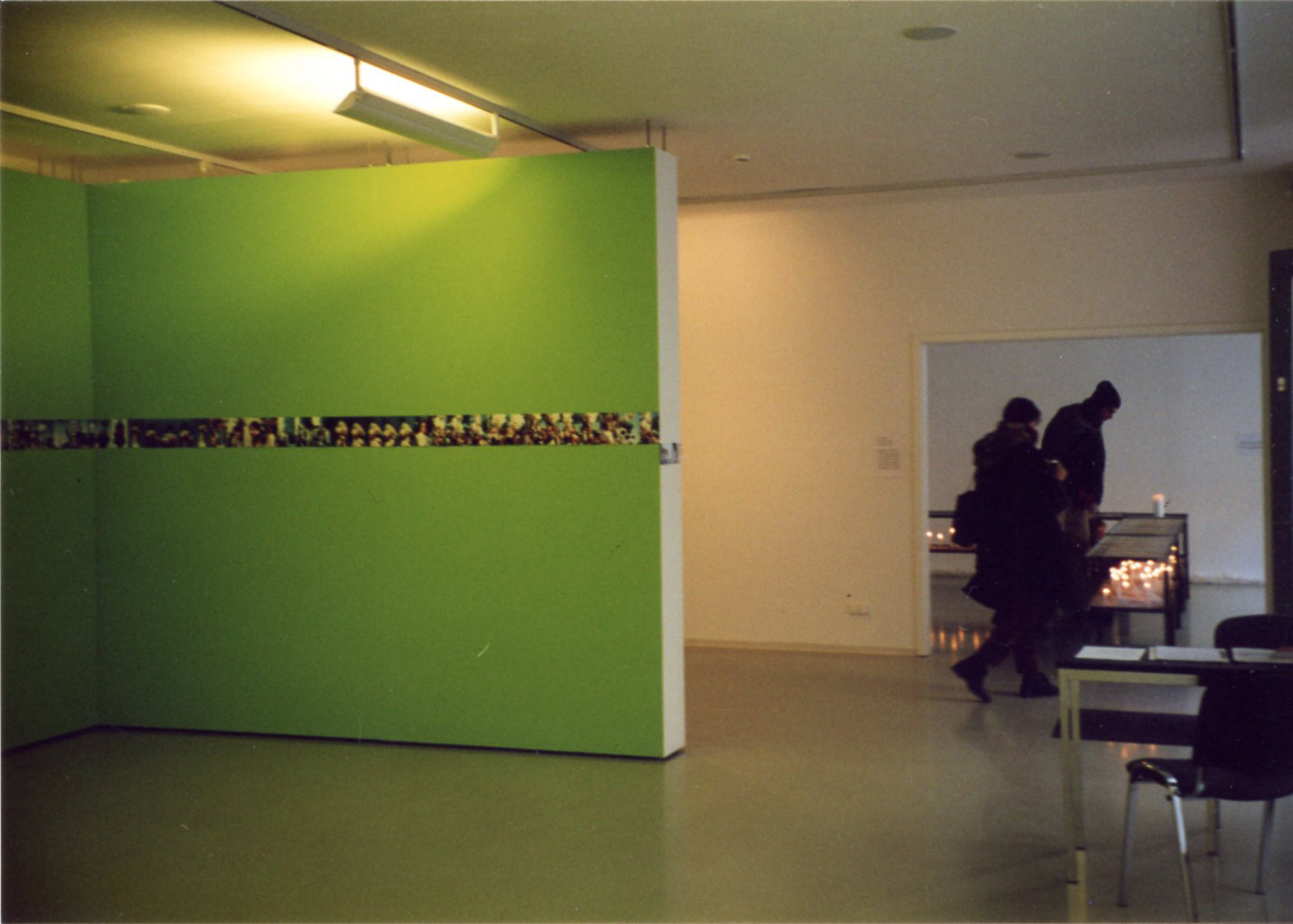
Eriel Araújo (*1968, Salvador de Bahia) addresses our conception of religious ritual in his installation: visitors are invited to light and place a candle. Araújo not only refers to the Catholic ritual, but also explores questions of image and representation, concealment and revelation. Furthermore—and this is closely connected with Candomblé—by replacing “images of saints” with “images of people,” he makes visible that religious imagery always stems from the image of the human being. Candomblé is not only a religion but also a way of coping with the often difficult everyday life, especially in the favelas.
Marepe (*1970, Santo Antônio de Jesus, Bahia) translates this socio-political aspect into his projects. In the exhibition, one of his most recent projects is presented through a photo series and a video documentary (by Marcondes Dourado): Marepe organized a cotton candy action with street children, which became a festive event where everyday life and ritual merged into a socio-cultural and artistic act.
Curated by Karin Stempel